
Chicago Weather: Your Ultimate Guide To Understanding The Windy City's Climate - Efforts are underway to mitigate the effects of climate change in Chicago. The city has implemented numerous initiatives to reduce greenhouse gas emissions, improve energy efficiency, and enhance resilience to extreme weather events. By addressing these challenges proactively, Chicago aims to ensure a sustainable and livable environment for future generations. Staying informed about Chicago weather is easier than ever with the help of modern technology. Here are some resources to help you stay up-to-date:
Efforts are underway to mitigate the effects of climate change in Chicago. The city has implemented numerous initiatives to reduce greenhouse gas emissions, improve energy efficiency, and enhance resilience to extreme weather events. By addressing these challenges proactively, Chicago aims to ensure a sustainable and livable environment for future generations.
During the winter months, cold air moving across the relatively warmer waters of Lake Michigan can pick up moisture, resulting in heavy snowfall in areas downwind of the lake. This "lake effect snow" can occur even when there is no widespread snowstorm affecting the region. In the summer, the lake can cool the air, reducing the intensity of heatwaves in the city.
One of the most famous extreme weather events in Chicago's history is the Great Chicago Fire of 1871. While not a meteorological event in the traditional sense, the fire was exacerbated by dry conditions and strong winds, which helped it spread rapidly through the city. This disaster led to significant changes in urban planning and fire safety regulations.
Chicago weather is as dynamic and unpredictable as the city itself. From scorching summers to bone-chilling winters, the Windy City's climate offers a unique experience for residents and visitors alike. By understanding the city's weather patterns and preparing accordingly, you can fully appreciate all that Chicago has to offer.
Chicago weather is as diverse as the city itself. Located in the Midwest region of the United States, Chicago experiences four distinct seasons, each with its own unique characteristics. The city's climate is classified as humid continental, meaning it features warm, humid summers and cold, snowy winters. This diversity makes Chicago weather both challenging and exciting for residents and visitors alike.
Chicagoans are no strangers to extreme weather, and they have developed unique ways to cope with the city's climate. From bundling up in layers during the winter to seeking out shaded outdoor spaces in the summer, locals have mastered the art of adapting to their environment. Many residents also take advantage of indoor activities during inclement weather, such as visiting museums, attending concerts, or enjoying the city's vibrant dining scene.
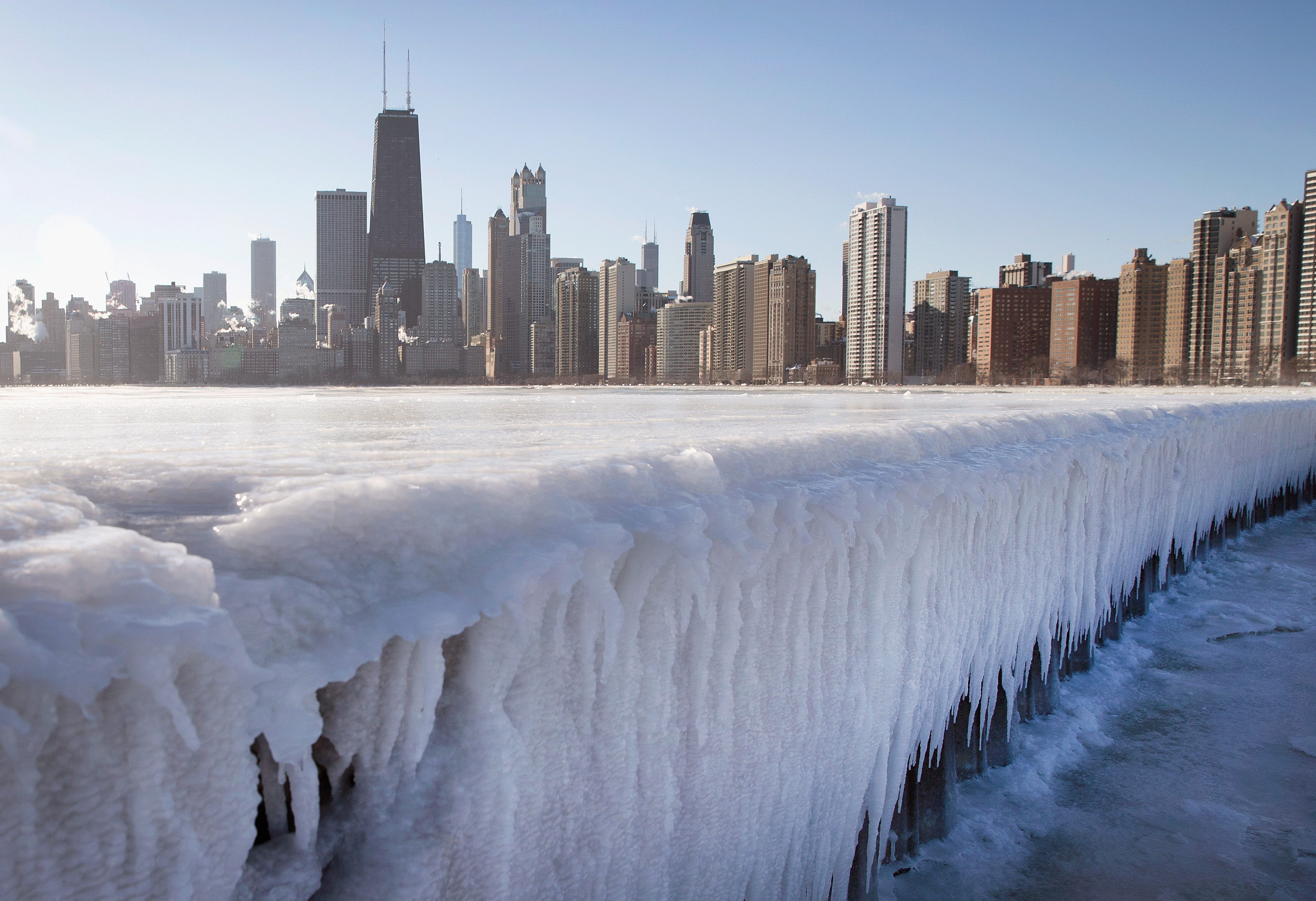
For example, the frequency and intensity of extreme weather events have increased in recent years. Heatwaves are becoming more common, and the city is experiencing more intense rainfall events. These trends are consistent with global climate patterns and highlight the importance of understanding how climate change may affect Chicago weather in the future.
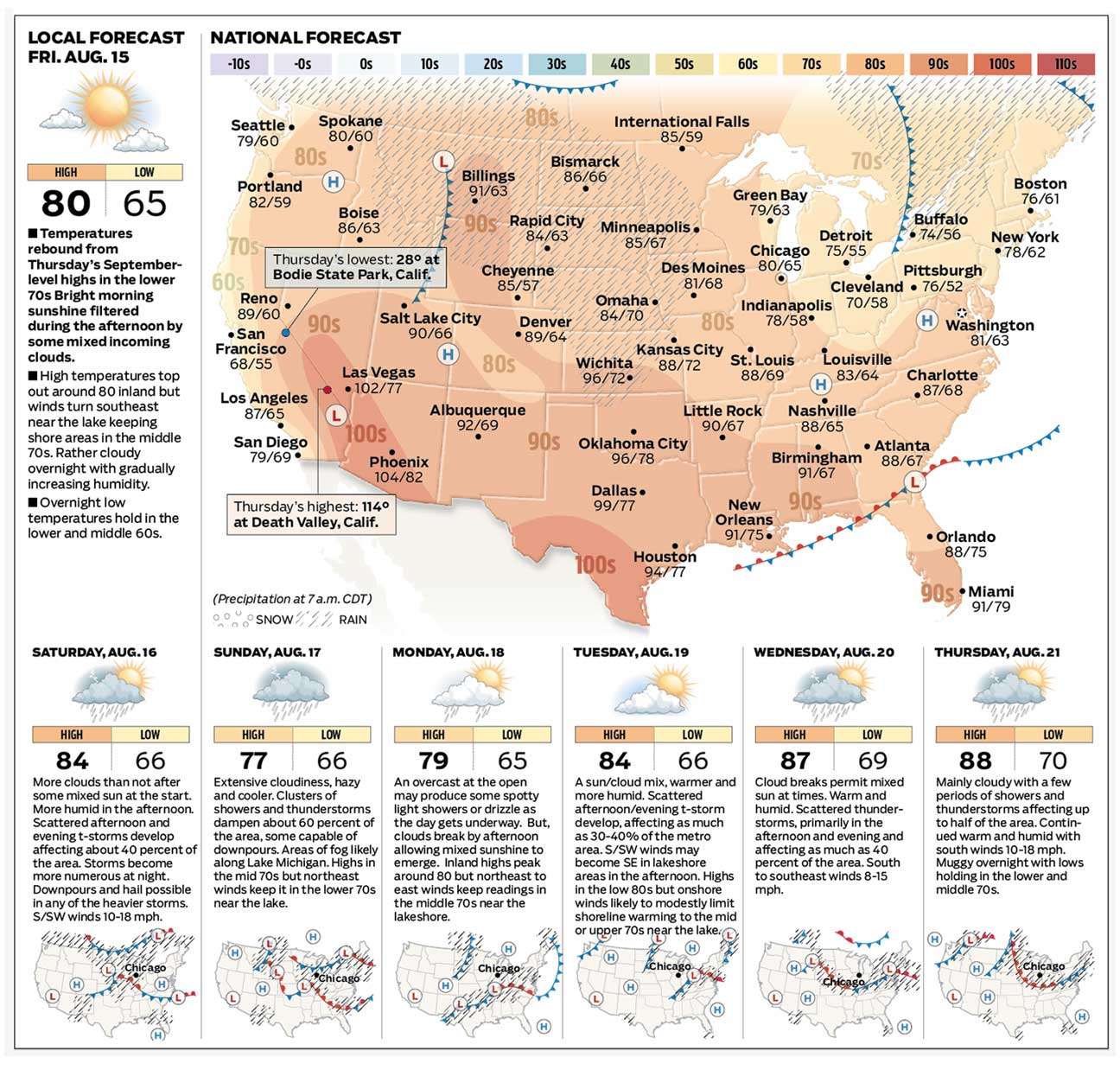
Winter in Chicago, which lasts from December to February, can be harsh. Temperatures often dip below freezing, with average lows around 20°F (-6°C). Snowfall is common, and wind chills can make the cold feel even more severe. Despite the challenging conditions, winter in Chicago has its own charm, with festive holiday markets and cozy indoor activities to enjoy.
Preparing for Chicago weather is essential for a successful visit. Here are some tips to help you navigate the city's dynamic climate:
Understanding the Windy City's weather patterns is crucial for anyone planning to spend time in Chicago. From packing the right clothing to timing your visit to avoid extreme weather, knowledge of Chicago's climate can significantly enhance your experience. In this section, we'll provide an overview of what you can expect from Chicago weather throughout the year.
Chicago weather is a topic of fascination for locals and visitors alike. Known as the "Windy City," Chicago's climate is as dynamic and unpredictable as its famous nickname suggests. Whether you're planning a trip or simply curious about the city's weather patterns, understanding Chicago's climate is essential. From scorching summers to bone-chilling winters, this city experiences it all, making it a unique destination year-round.
Fall, or autumn, in Chicago is a favorite season for many. Spanning from September to November, this period offers mild temperatures and stunning foliage. Average temperatures range from 70°F (21°C) in early fall to 40°F (4°C) by late fall. The crisp air and vibrant colors of the changing leaves make fall an ideal time to explore the city's parks and outdoor attractions.